
History of Chittorgarh
17 min read
History of Chittorgarh: The Glorious Story of Mewar's Pride and Rajput Valor
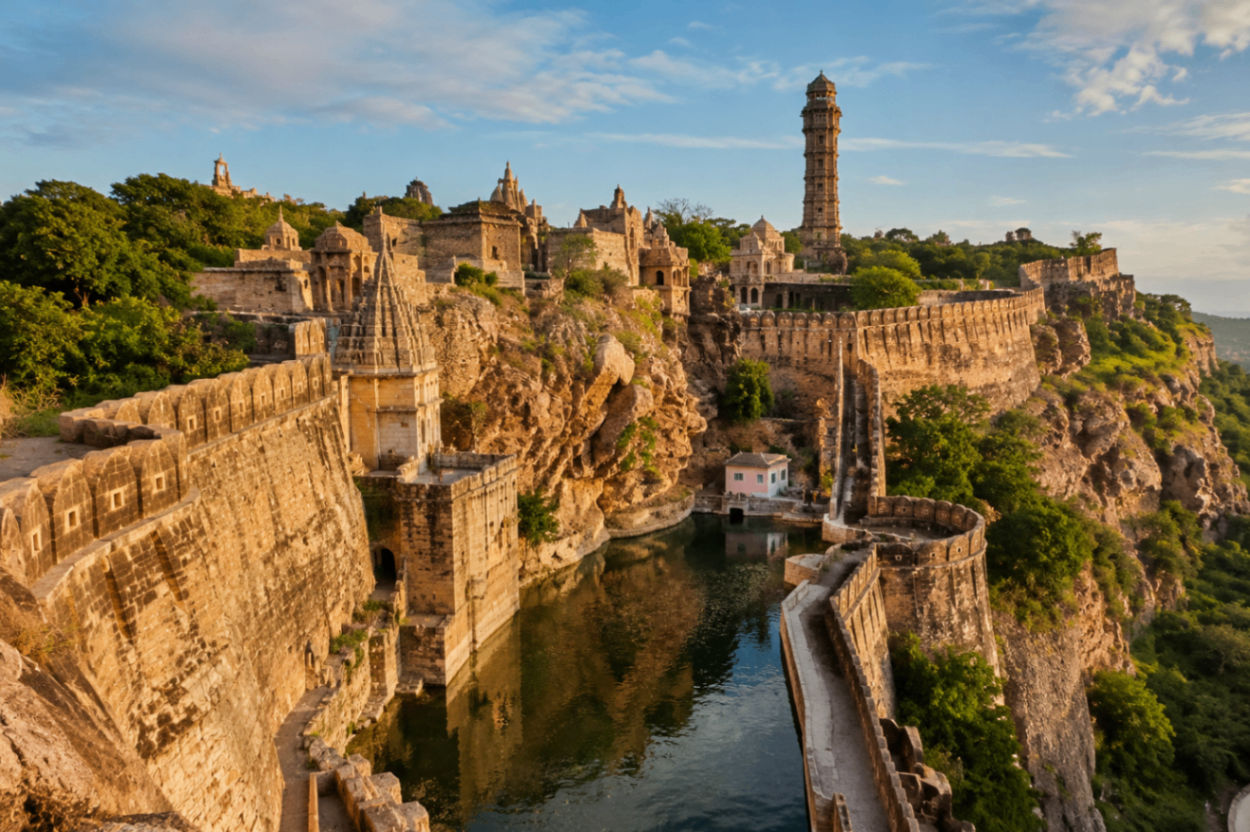
When we talk about India's glorious past, few places capture the imagination quite like Chittorgarh. Known as the land of bravery, sacrifice, and unwavering honor, Chittorgarh has witnessed some of the most defining moments in Indian history. The History of Chittorgarh is not just about kings and battles; it is a story of courage, resilience, patriotism, and the spirit of Mewar that continues to inspire generations.
Located in the southern part of Rajasthan, Chittorgarh was the capital of the powerful Kingdom of Mewar for several centuries. Today, it is one of the most visited heritage destinations in India, attracting history enthusiasts, architecture lovers, photographers, and spiritual travelers from across the world. Standing tall on a massive hill, the majestic Chittorgarh Fort tells stories of legendary rulers, fearless queens, and warriors who chose honor over surrender.
Whether you're planning a trip to Rajasthan or simply interested in India's royal heritage, understanding the History of Chittorgarh offers a fascinating glimpse into the legacy of the Rajputs and the rich culture of Mewar.
The Origin and Early History of Chittorgarh
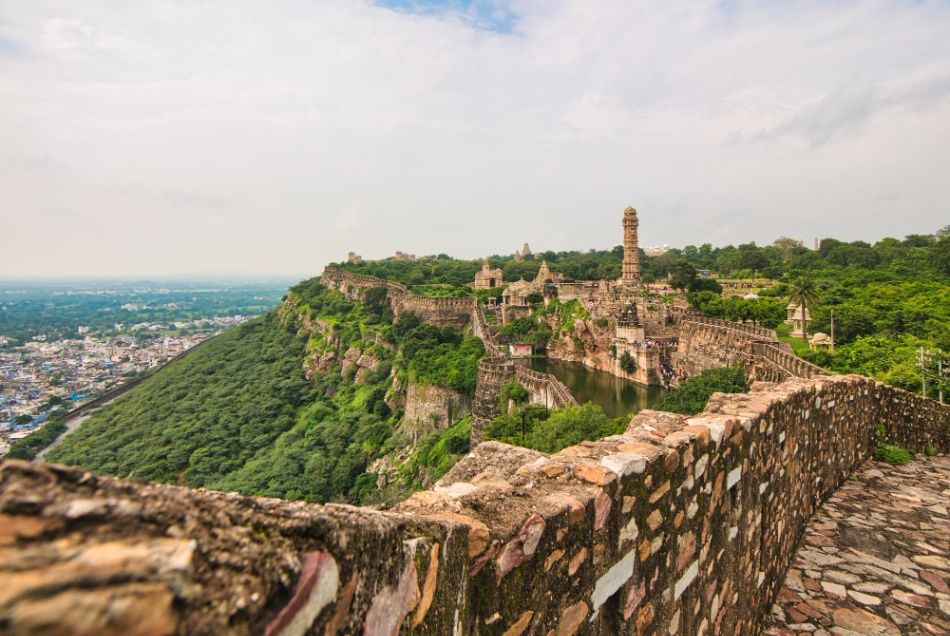
The origins of Chittorgarh are surrounded by history, folklore, and royal traditions. According to popular Rajput beliefs, Bappa Rawal, the founder of the Sisodia dynasty, established his rule over Chittorgarh during the 8th century. It is believed that he acquired the fort through a marriage alliance with the Solanki rulers, marking the beginning of one of India's most respected royal dynasties.
Some legends trace the region even further back to the Mahabharata period. Local folklore suggests that Bhima, one of the Pandava brothers, visited this area and struck the ground with his foot, creating a natural water reservoir now associated with Bhimtal. While this story belongs to mythology rather than documented history, it reflects the deep spiritual and cultural roots of Chittorgarh.
Historically, Chittorgarh became the heart of the Mewar kingdom and remained its capital for nearly eight centuries. During this period, the rulers of Mewar established a reputation for fearless leadership and unwavering commitment to protecting their land and people.
Why Chittorgarh Holds a Special Place in Indian History
The History of Chittorgarh is unlike the history of any other Indian city. Rather than being remembered only for victories, Chittorgarh is celebrated for the courage shown during difficult times. The city became a symbol of self-respect, sacrifice, and resistance against powerful invading forces.
Throughout medieval India, Chittorgarh faced repeated invasions from some of the strongest rulers of the time. Despite being heavily outnumbered, the Rajput warriors defended the fort with extraordinary bravery. Their determination gave rise to stories that continue to be told in Rajasthan even today.
The women of Chittorgarh also played an equally important role in preserving the dignity of the kingdom. Their sacrifices during times of war became powerful symbols of courage and remain deeply respected in Rajput history.
This remarkable legacy has made Chittorgarh one of the most important historical destinations in India.
Chittorgarh Fort History: The Crown Jewel of Mewar
No discussion about the History of Chittorgarh is complete without exploring the magnificent Chittorgarh Fort history. The fort is not only Rajasthan's largest fort but also one of the biggest forts in Asia. It has been recognized as a UNESCO World Heritage Site under the "Hill Forts of Rajasthan" for its outstanding historical and architectural significance.
Spread across nearly 700 acres and situated approximately 180 meters above the surrounding plains, Chittorgarh Fort dominates the landscape with its massive stone walls, majestic gates, royal palaces, ancient temples, reservoirs, and victory towers.
The fort stretches for almost 13 kilometers around the hilltop and was carefully designed to withstand long military sieges. Even today, visitors are amazed by its impressive defensive architecture and the engineering skills of the Rajput rulers.
Walking through the fort feels like stepping into a living museum, where every structure tells a story of heroism and royal grandeur.
Architectural Excellence of Chittorgarh Fort
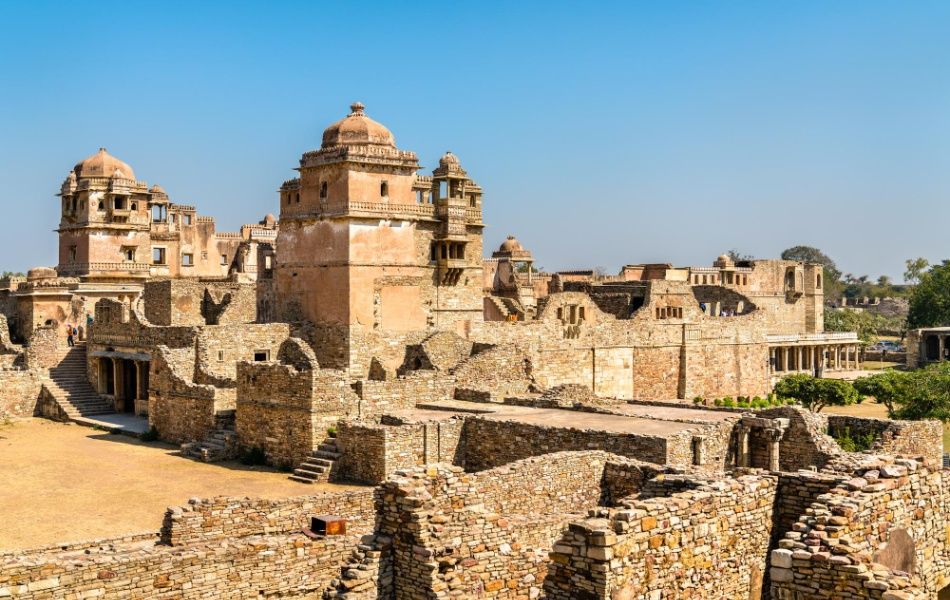
One of the reasons the Chittorgarh Fort history remains so fascinating is its extraordinary architecture. Built using local sandstone and limestone, the fort reflects the artistic brilliance and military intelligence of medieval Rajasthan.
Some of its architectural highlights include:
Seven massive entrance gates (Pols) that strengthened the fort's defense.
Strong fortified walls stretching across the hilltop.
Beautiful Rajput palaces with intricate carvings.
Ancient Hindu and Jain temples.
Large courtyards designed for royal ceremonies.
Advanced rainwater harvesting systems and reservoirs.
Watchtowers offering panoramic views of the surrounding plains.
These remarkable features demonstrate how the rulers of Mewar combined beauty with functionality, ensuring the fort remained both a royal residence and a powerful military stronghold.
Bappa Rawal: The Founder of Mewar's Great Legacy
Among all the rulers associated with the History of Chittorgarh, Bappa Rawal holds a unique place. He is widely regarded as the founder of the Sisodia dynasty and one of the greatest Rajput rulers in Indian history.
Under his leadership, Mewar emerged as a strong and independent kingdom. His vision laid the foundation for a dynasty that would continue to defend its sovereignty for centuries.
Bappa Rawal's legacy extends beyond military achievements. He established values of courage, justice, and devotion that became central to Rajput culture. His descendants carried these ideals forward, making Mewar one of the most respected kingdoms in medieval India.
Even today, Bappa Rawal is remembered with great respect throughout Rajasthan, and his contributions remain an integral part of the region's identity.
Chittorgarh – The Land of Courage and Sacrifice
For centuries, Chittorgarh represented the spirit of Rajput pride. Unlike many kingdoms that surrendered to powerful invaders, the rulers of Mewar chose resistance, even when the odds were against them.
The stories of Rajput warriors riding into battle wearing saffron robes, fully aware they might never return, continue to inspire countless people. Their commitment to protecting their homeland became a defining feature of the History of Chittorgarh.
The city also became known for its extraordinary examples of collective courage. During times when defeat seemed unavoidable, the people of Chittorgarh chose honor over submission. These events transformed the city into a timeless symbol of bravery and patriotism.
Today, visitors walking through the ancient ruins often describe feeling an emotional connection with the sacrifices made by the people who once lived within these walls.
Why Chittorgarh Continues to Inspire Travelers
Modern-day Chittorgarh is much more than a historical destination. It is a place where India's rich cultural heritage comes alive through magnificent architecture, inspiring stories, and centuries-old traditions.
History enthusiasts visit to explore the Chittorgarh Fort history, while photographers capture breathtaking sunrise and sunset views from its massive walls. Spiritual travelers find peace in its ancient temples, and families enjoy discovering the fascinating tales behind every palace, tower, and monument.
The city beautifully combines history, architecture, culture, and spirituality, making it one of Rajasthan's most rewarding travel destinations.
In the next part of this guide, we'll explore the three historic sieges of Chittorgarh, the legendary story of Rani Padmini, the heroic legacy of Maharana Pratap, and the most important historical places in Chittorgarh that every traveler should visit.
The Three Historic Sieges That Shaped the History of Chittorgarh
The History of Chittorgarh is incomplete without understanding the three major sieges that transformed the city into an everlasting symbol of courage and sacrifice. These battles were not merely wars for territory they represented the Rajput ideals of honor, loyalty, and freedom.
For nearly eight centuries, Chittorgarh Fort stood as the capital of Mewar and one of the strongest fortresses in India. Its strategic location and political importance made it a target for several powerful rulers. Despite repeated invasions, the Rajputs defended their homeland with extraordinary determination, creating stories that continue to inspire people across the country.
First Siege of Chittorgarh (1303): Alauddin Khalji's Invasion
The first and perhaps the most well-known chapter in the History of Chittorgarh began in 1303, when Alauddin Khalji, the Sultan of Delhi, laid siege to Chittorgarh Fort.
According to Rajput traditions and historical literature, Alauddin Khalji had heard about the extraordinary beauty and wisdom of Rani Padmini, the queen of Chittorgarh and wife of Rana Ratan Singh. Fascinated by these stories, he marched towards Chittorgarh with a massive army.
After surrounding the fort, Alauddin requested permission to see the queen. To avoid dishonoring royal customs, Rana Ratan Singh agreed that the Sultan could only view Rani Padmini's reflection through a mirror inside the palace.
Although the Sultan accepted this arrangement, he later captured Rana Ratan Singh through deception while the king was escorting him back outside the fort.
The Clever Rescue of Rana Ratan Singh
The capture of Rana Ratan Singh left the kingdom in deep distress. However, according to traditional accounts, Rani Padmini devised a brilliant rescue plan.
Several covered palanquins were sent to Alauddin Khalji's camp under the pretense that the queen and her attendants were arriving. Instead of royal women, each palanquin carried armed Rajput warriors.
As soon as they entered the enemy camp, the soldiers emerged with swords drawn, launching a surprise attack. Rana Ratan Singh was successfully rescued, but thousands of Rajput warriors sacrificed their lives during the battle.
Although the rescue succeeded, Chittorgarh had lost many of its finest soldiers, leaving the kingdom vulnerable to another attack.
The First Jauhar of Chittorgarh
When it became clear that Chittorgarh could no longer defend itself against Alauddin Khalji's vastly superior army, the people faced a heartbreaking decision.
According to Rajput tradition, Rani Padmini, along with thousands of royal women, chose to perform Jauhar—a collective act of self-sacrifice to protect their honor from the invading forces.
Meanwhile, the Rajput warriors wore saffron robes, applied the sacred ashes of their loved ones to their foreheads, opened the gates of the fort, and charged into battle with the determination to fight until their last breath.
This event became one of the defining moments in the History of Chittorgarh, symbolizing unmatched courage and devotion to dignity.
Second Siege of Chittorgarh (1535): Bahadur Shah of Gujarat
More than two centuries later, Chittorgarh once again faced a devastating invasion.
In 1535, Bahadur Shah, the Sultan of Gujarat, attacked Chittorgarh Fort with a powerful army. Despite fierce resistance from the Rajputs, the kingdom found itself heavily outnumbered.
As the fort's defenses weakened, another mass Jauhar took place. Rajput women once again chose honor over captivity, while the soldiers prepared for their final battle.
The courage displayed during this siege strengthened Chittorgarh's reputation as the land where self-respect was valued above life itself.
Third Siege of Chittorgarh (1567–1568): Akbar's Campaign
The final major chapter in the Chittorgarh Fort history occurred during the reign of the Mughal Emperor Akbar.
In 1567, Akbar launched a massive military campaign against Chittorgarh. His objective was not only to capture the fort but also to establish Mughal dominance over Rajasthan.
The siege lasted several months. Despite limited resources and overwhelming opposition, the Rajput defenders resisted with remarkable determination.
Eventually, the Mughal forces captured Chittorgarh Fort. Although Mewar's political capital later shifted to Udaipur under Maharana Udai Singh II, Chittorgarh continued to remain the emotional and spiritual heart of the Mewar kingdom.
Maharana Pratap and the Legacy of Chittorgarh
Although Maharana Pratap did not rule Chittorgarh after its capture by the Mughals, his life is inseparably connected with the legacy of Mewar.
The son of Maharana Udai Singh II, Maharana Pratap dedicated his life to protecting the independence of Mewar. Rather than accepting Mughal rule, he chose a life of struggle, hardship, and continuous resistance.
The famous Battle of Haldighati in 1576 became one of the greatest examples of Rajput bravery. Even though the battle did not result in a decisive military victory, Maharana Pratap's determination made him one of India's most respected historical figures.
His unwavering commitment to freedom reflects the same values that define the History of Chittorgarh courage, resilience, and honor.
Historical Places in Chittorgarh You Must Visit
Today, Chittorgarh is home to numerous heritage monuments that attract visitors from around the world. If you're exploring the historical places in Chittorgarh, these landmarks deserve a place on your itinerary.
Chittorgarh Fort
The largest fort in India and the city's most iconic attraction. Its grand gateways, palaces, temples, and towers offer a fascinating glimpse into Rajasthan's royal past.
Vijay Stambh (Victory Tower)
Built by Maharana Kumbha in the 15th century to commemorate his victory over Mahmud Khilji, the Vijay Stambh stands nearly 37 meters tall. Its intricate carvings and panoramic views make it one of the fort's most admired monuments.
Kirti Stambh
Dedicated to the first Jain Tirthankara, Adinath, the Kirti Stambh is an elegant seven-storey tower showcasing remarkable Jain architecture and detailed stone carvings.
Rana Kumbha Palace
One of the oldest royal residences within the fort, Rana Kumbha Palace is believed to have witnessed several significant events in Mewar's history. Its ruins still reflect the grandeur of medieval Rajput architecture.
Padmini Palace
Located beside a serene lotus pool, Padmini Palace is closely associated with the legendary story of Rani Padmini. The palace remains one of the most photographed sites inside Chittorgarh Fort.
Meera Temple
Dedicated to the renowned saint-poet Meera Bai, this temple is an important spiritual destination. It beautifully reflects the devotion and architectural elegance of medieval Rajasthan.
Kalika Mata Temple
Originally built as a Sun Temple during the 8th century, this ancient shrine was later dedicated to Goddess Kali. It continues to attract devotees and history enthusiasts alike.
Gaumukh Reservoir
One of the most fascinating engineering achievements inside the fort, Gaumukh Reservoir has supplied water to Chittorgarh Fort for centuries. Even today, its perennial water source amazes visitors.
Why These Historical Places Matter
The historical places in Chittorgarh are much more than tourist attractions. They preserve centuries of Rajput heritage and provide valuable insights into India's architectural, cultural, and military history.
Each palace, temple, tower, and reservoir tells a unique story that contributes to the larger narrative of the History of Chittorgarh. Exploring these monuments allows visitors to appreciate the resilience and artistic excellence of the Mewar kingdom.
Continuing the Journey Through Chittorgarh
From legendary battles to magnificent architecture, Chittorgarh offers an unforgettable journey through India's glorious past. Every monument reflects the values that made Mewar one of the most respected kingdoms in Indian history.
In the final part of this guide, we'll explore the best time to visit Chittorgarh, travel tips, fascinating facts, why this heritage city deserves a place on every traveler's bucket list, and how Mewar Blog helps you discover the rich history and culture of Rajasthan.
Interesting Facts About Chittorgarh
The History of Chittorgarh is filled with remarkable stories and fascinating facts that continue to attract historians, researchers, and travelers from around the world. Here are some interesting facts that make this heritage city truly unique:
Chittorgarh Fort is the largest fort in India, covering approximately 700 acres.
The fort stands about 180 meters (590 feet) above the surrounding plains, offering panoramic views of the region.
It has seven massive entrance gates (Pols), built to strengthen the fort's defense against enemy attacks.
Chittorgarh was the capital of the Kingdom of Mewar for nearly eight centuries.
The fort is home to more than 65 historic structures, including palaces, temples, towers, reservoirs, and monuments.
The Vijay Stambh (Victory Tower), built by Maharana Kumbha, is one of Rajasthan's most iconic landmarks.
Chittorgarh Fort is recognized as a UNESCO World Heritage Site as part of the "Hill Forts of Rajasthan."
The fort once had an advanced water management system with numerous reservoirs, stepwells, and ponds that supported thousands of residents during prolonged sieges.
Chittorgarh has witnessed three historic Jauhars, making it one of the most significant places in Rajput history.
The city remains a powerful symbol of courage, sacrifice, and the enduring spirit of Mewar.
Best Time to Visit Chittorgarh
If you're planning to explore the historical places in Chittorgarh, choosing the right season can make your trip more enjoyable.
Winter (October to March)
Winter is considered the best time to visit Chittorgarh. The pleasant weather makes it comfortable to explore the vast fort complex, temples, and monuments on foot. This season is also ideal for photography, heritage walks, and sightseeing.
Monsoon (July to September)
The monsoon transforms the landscape around Chittorgarh into a lush green paradise. While occasional rain may affect outdoor activities, the scenic beauty of the fort during this time is truly breathtaking.
Summer (April to June)
Summers in Rajasthan can be extremely hot, with temperatures often exceeding 40°C. If you visit during this season, it's best to start sightseeing early in the morning or later in the evening. Carry water, sunscreen, and comfortable clothing to stay hydrated.
Why Read Mewar Blog?
If you're passionate about Rajasthan's history, culture, and heritage, Mewar Blog is your trusted destination for authentic and well-researched travel content.
At Mewar Blog, we are dedicated to showcasing the timeless beauty of the Mewar region through informative articles. Our mission is to help travelers, history enthusiasts, and local explorers discover the hidden gems of Rajasthan while preserving the legacy of its royal past.
On Mewar Blog, you'll find:
Detailed guides on the History of Chittorgarh and Mewar.
Complete travel guides for Udaipur, Chittorgarh, Rajsamand, Bhilwara, and Pratapgarh.
Information about famous temples, forts, lakes, palaces, and heritage sites.
Local travel tips, itineraries, and cultural insights.
Festival guides, food recommendations, and weekend getaway ideas.
Practical advice for planning memorable trips across Rajasthan.
Whether you're researching the Chittorgarh Fort history, looking for the best historical places in Chittorgarh, or planning a heritage tour of Rajasthan, Mewar Blog provides reliable and easy-to-understand information to make your journey more meaningful.
Visit Mewar Blog regularly to explore the fascinating stories, traditions, and destinations that make Mewar one of India's most treasured regions.
Conclusion
The History of Chittorgarh is much more than a collection of historical events—it's a living legacy of bravery, sacrifice, resilience, and unwavering pride. Every monument within the magnificent Chittorgarh Fort reflects the extraordinary courage of the Rajput rulers and the people of Mewar, whose stories continue to inspire generations.
From the legendary tales of Bappa Rawal, Rani Padmini, and Maharana Pratap to the architectural brilliance of the fort and its temples, Chittorgarh stands as one of India's greatest heritage destinations. Exploring the historical places in Chittorgarh offers visitors an opportunity to witness centuries of history, culture, and craftsmanship in one remarkable location.
Whether you're a history lover, an architecture enthusiast, or a traveler seeking authentic cultural experiences, Chittorgarh promises an unforgettable journey through Rajasthan's glorious past.
Before planning your next trip, explore more insightful travel guides, destination stories, and heritage articles on Mewar Blog. Our goal is to help you discover the true essence of Mewar while making your travel experience informative, memorable, and enriching.
Frequently Asked Questions (FAQs)
1. Why is Chittorgarh famous?
Chittorgarh is famous for its magnificent fort, Rajput bravery, royal heritage, and the legendary stories of sacrifice associated with Rani Padmini, Maharana Pratap, and the rulers of Mewar.
2. What is the historical significance of Chittorgarh Fort?
The Chittorgarh Fort history represents centuries of Rajput courage and resistance. It served as the capital of Mewar and witnessed three major sieges that shaped Rajasthan's history.
3. Which are the top historical places in Chittorgarh?
Some of the most popular historical places in Chittorgarh include Chittorgarh Fort, Vijay Stambh, Kirti Stambh, Rana Kumbha Palace, Padmini Palace, Meera Temple, Kalika Mata Temple, and Gaumukh Reservoir.
4. Is Chittorgarh Fort a UNESCO World Heritage Site?
Yes. Chittorgarh Fort is recognized as a UNESCO World Heritage Site under the "Hill Forts of Rajasthan" for its exceptional historical and architectural importance.
5. How much time is required to explore Chittorgarh?
A full day is recommended to comfortably explore Chittorgarh Fort and the major historical places. If you're interested in museums, temples, and local culture, consider staying overnight.
6. What is the best time to visit Chittorgarh?
The ideal time to visit is between October and March, when the weather is pleasant and suitable for sightseeing.
Related Places
More Historical Places Stories
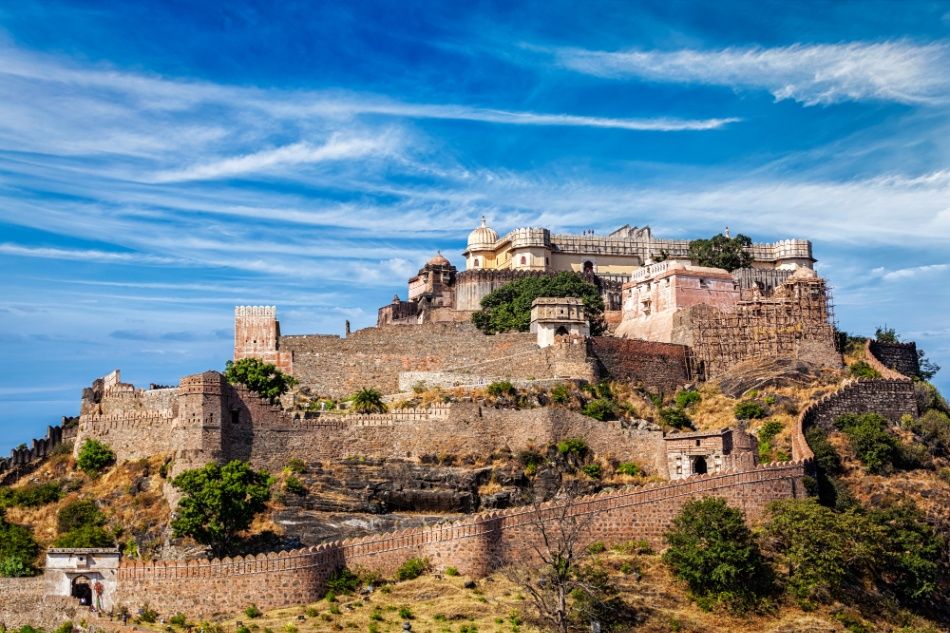
History of Rajsamand
Rajsamand ,the city of Rajasthan, in western India. This city is named for the “Rajsamand Lake”, an artificial lake developed in 17th century by Rana Raj Singh of Mewar. Rajsamand district was formed on 10th April 1991, and named after famous lake. Rajsamand is one of the richest district in the history , culture, religion and a mining industries. It is a town of Rajnagar is the district headquarters.
5 min read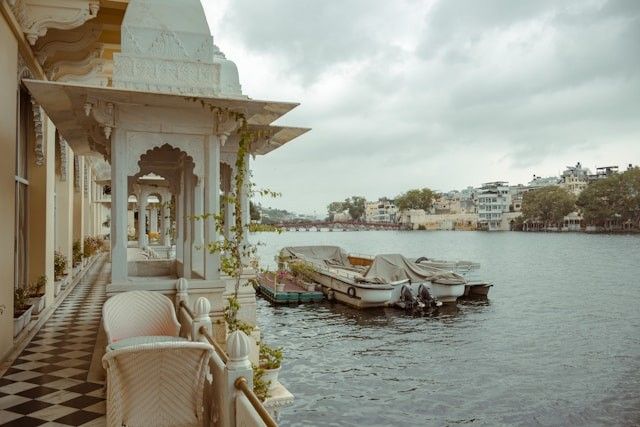
History of Udaipur
The city of Udaipur has been the capital of the Mewar district of Rajasthan and the Sisodia rulers. Encircled by the Aravalli ranges are quite possibly the most wonderful and perhaps the most excellent urban areas of Rajasthan. The Aravali range spread around Udaipur has shielded the city from outside intrusions for quite a long time.
5 min read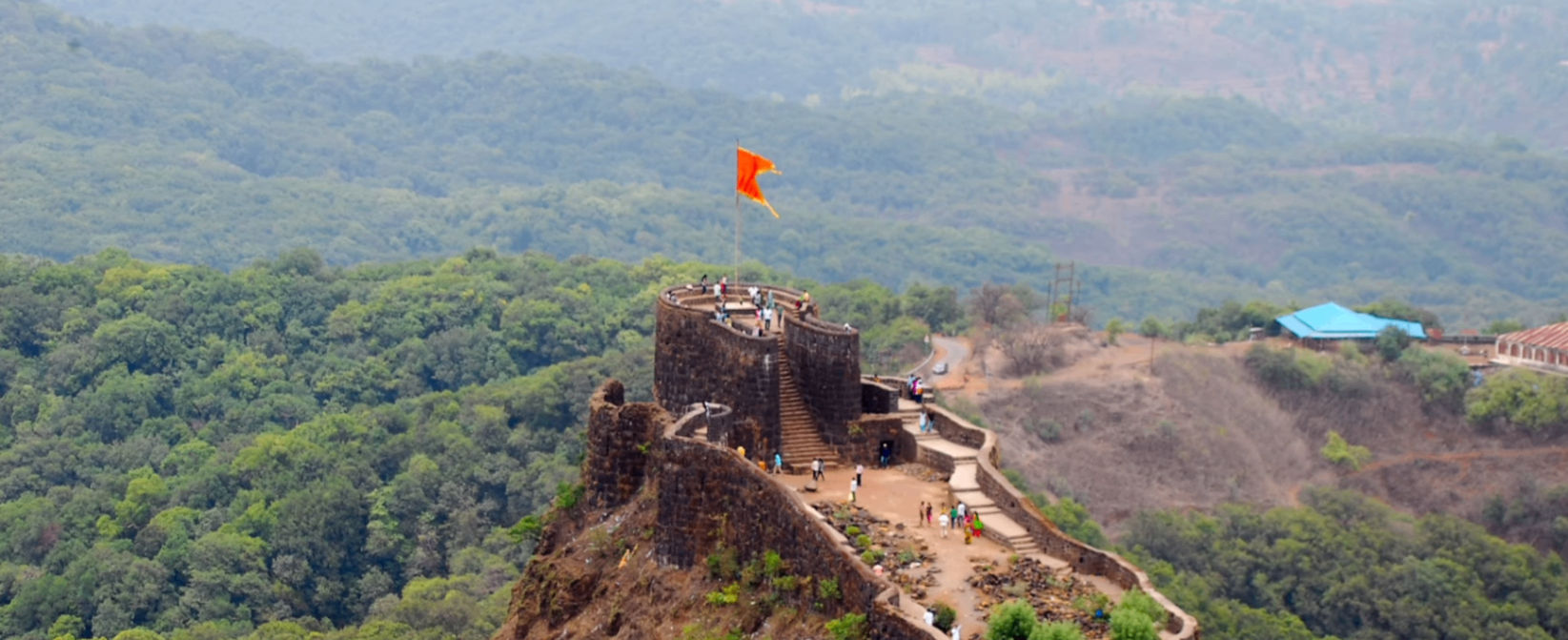
History of Pratapgarh
Pratapgarh is known as Kanthal Nagari since from realm time. Pratapgarh pricipality was eastablished in the year 1699 by Maharawat Pratapsingh. In the fifteenth century, Maharana Kumbha (1433–1468) managed Chittorgarh.
4 min read